973.228.9898

Herbal and Dietary Supplement Induced Liver Injury (HDS Induced Liver Injury)

Have you been diagnosed with liver damage, liver failure, hepatitis, or required a liver transplant?  Have you taken herbal or dietary supplements?  Have you wondered what caused your liver condition?   If so, you may be entitled to compensation.

Herbal & Dietary Supplements and Serious Injuries

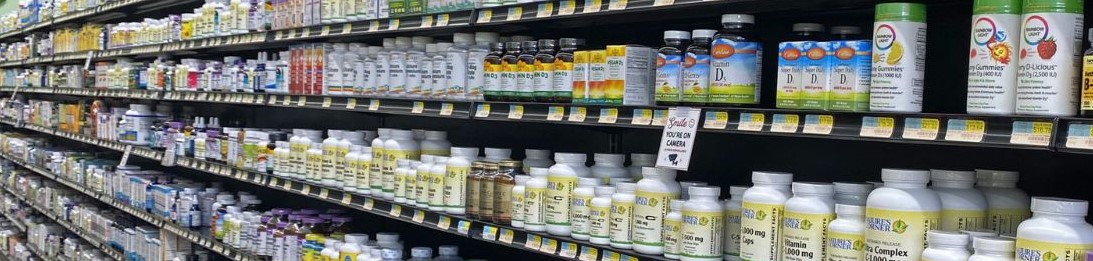
Herbal and dietary supplement induced liver injury, known in the medical community as HDS Induced Liver Injury, is a real and serious condition.  If you suffered liver injury caused by an herbal or dietary supplement, you are not alone. American consumers spend billions of dollars each year on herbal and dietary supplements that do not require a prescription. People use these supplements for nutrition, increased energy and stamina, weight-loss, body-building, sexual performance, athletic ability, and many other purposes. Unfortunately, these supplements may contain harmful ingredients with dangerous side effects. Some supplements may contain dosages that are several times higher than the recommended dose or legal limit. Supplements may contain undisclosed ingredients that can be harmful on their own or when taken in combination with other medications. Many of these potentially dangerous supplements represent that they are “safe” or  “all-natural” or “organic” even if such representations may not be accurate.  And the manufacturers do not adequately warn of the risks of liver injury, or other dangerous conditions.

Scientific Literature Establishes that Herbal & Dietary Supplements Can Cause Liver Failure and Other Severe Injuries

Scientific research and medical guidance show that many drug-induced liver injury (DILI) cases are caused by herbal and dietary supplements, including  weight loss and bodybuilding products:

  • A 2024 Lancet Gastroenterology & Hepatology review notes supplements accounted for ~16% of U.S. DILI cases in a prospective registry, rising from about 7% (2004–05) to 20% (2013–14). The Lancet
  • A 2024 study in JAMA Network Open highlights six botanicals frequently linked to liver toxicity in the U.S.: turmeric/curcumin, green tea extract, Garcinia cambogia, black cohosh, red yeast rice, and ashwagandha. JAMA Network
  • 2024–2025 medical reviews confirm bodybuilding and weight-loss supplements remain the top culprits in supplement-related hepatotoxicity. MDPI; MDPI 2
  • Professional society guidance (AASLD) provides clinical criteria for diagnosing and managing liver injury from drugs and supplements, underscoring real-world cases clinicians are seeing. AASLD

Growing Recognition that Herbal and Dietary Supplements Can Cause Hepatotoxicity

The liver is responsible for more than 500 functions in the human body, including filtering harmful substances from the blood. Certain substances found in supplements can overwhelm and damage even the healthiest liver, leading to severe toxicity and in some cases the need for liver transplants.

Complaints of liver injuries caused by supplements have been reported for over a decade, and there has been a significant increase in recent years. For instance, in May 2025, an NBC News Report noted the rise in liver injuries associated with the rise in supplement popularity in the United States. From 1995 through 2020, supplement-related liver failure requiring U.S. patients to be waitlisted for transplants increased eightfold, according to a 2022 study in the journal Liver Transplantation. A 2017 review in the journal Hepatology found that 20% of liver toxicity cases nationwide are tied to herbal and dietary supplements. “Multi-ingredient nutritional supplements” caused the majority of those cases, according to the authors.

Cases are on the rise because more Americans are taking supplements. As many as 3 in 4 adults 18 and older take them, according to a 2024 survey by the Council for Responsible Nutrition, a trade group representing the dietary supplement and functional food industry. Almost 4 in 5 users said they prefer supplements to prescription or over-the-counter medications.  The problem is that there are supplements that are defectively designed and create an unreasonable risk of harm, and a failure to warn of these risks.

Among herbal ingredients tied to toxic hepatitis, turmeric is the most commonly consumed in the U.S., according to a study published last year in the journal JAMA Network Open. Following that are green tea extract, ashwagandha, Garcinia cambogiared yeast rice and black cohosh.  There are many others.

How Supplements Are (and aren’t) Regulated by the FDA

Unlike prescription drugs, most dietary supplements are largely unregulated, and are not evaluated or approved by the FDA before they can be sold. Manufacturers are responsible for making sure their products are safe and that their labels are truthful and fully disclose the proper uses and risks of the supplements.  

Because of the lack of regulation, the FDA generally learns about the dangers of unsafe herbal and dietary supplements only after they are already on the market.  The FDA’s after-the-fact enforcement, when it actually happens, is too late to protect those who have been harmed, and unfortunately is often insufficient to protect future victims.

Key takeaway: The “safe”  “natural” or “organic” label doesn’t mean the supplement has been scientifically evaluated for safety or  that it is risk-free. If you were hurt, you’re not alone—and you have options.

Lawsuits for Liver Injuries Caused by Supplements

Our attorneys can help determine if you have grounds to file a liver damage lawsuit and explain what will be needed to win your case. Supplements may be defective because they are unreasonably dangerous, fail to warn of risks, and may have problems due to  other factors such as dosage recommendations, or lack thereof. We will evaluate the supplements you used, evaluate your injuries, obtain medical proof, trace supply chains, and hold manufacturers and sellers accountable if they are at fault. If you believe an herbal or dietary supplement may have caused your liver damage or other injuries, contact us to investigate your situation, and discuss your options for a lawsuit.

Herbal and Dietary Supplement Induced Liver Injury (HDS Induced Liver Injury)

Have you been diagnosed with liver damage, liver failure, hepatitis, or required a liver transplant?  Have you taken herbal or dietary supplements?  Have you wondered what caused your liver condition?   If so, you may be entitled to compensation.

Herbal & Dietary Supplements and Serious Injuries

Herbal and dietary supplement induced liver injury, known in the medical community as HDS Induced Liver Injury, is a real and serious condition.  If you suffered liver injury caused by an herbal or dietary supplement, you are not alone. American consumers spend billions of dollars each year on herbal and dietary supplements that do not require a prescription. People use these supplements for nutrition, increased energy and stamina, weight-loss, body-building, sexual performance, athletic ability, and many other purposes. Unfortunately, these supplements may contain harmful ingredients with dangerous side effects. Some supplements may contain dosages that are several times higher than the recommended dose or legal limit. Supplements may contain undisclosed ingredients that can be harmful on their own or when taken in combination with other medications. Many of these potentially dangerous supplements represent that they are “safe” or  “all-natural” or “organic” even if such representations may not be accurate.  And the manufacturers do not adequately warn of the risks of liver injury, or other dangerous conditions.

Scientific Literature Establishes that Herbal & Dietary Supplements Can Cause Liver Failure and Other Severe Injuries

Scientific research and medical guidance show that many drug-induced liver injury (DILI) cases are caused by herbal and dietary supplements, including  weight loss and bodybuilding products:

  • A 2024 Lancet Gastroenterology & Hepatology review notes supplements accounted for ~16% of U.S. DILI cases in a prospective registry, rising from about 7% (2004–05) to 20% (2013–14). The Lancet
  • A 2024 study in JAMA Network Open highlights six botanicals frequently linked to liver toxicity in the U.S.: turmeric/curcumin, green tea extract, Garcinia cambogia, black cohosh, red yeast rice, and ashwagandha. JAMA Network
  • 2024–2025 medical reviews confirm bodybuilding and weight-loss supplements remain the top culprits in supplement-related hepatotoxicity. MDPI; MDPI 2
  • Professional society guidance (AASLD) provides clinical criteria for diagnosing and managing liver injury from drugs and supplements, underscoring real-world cases clinicians are seeing. AASLD

Growing Recognition that Herbal and Dietary Supplements Can Cause Hepatotoxicity

The liver is responsible for more than 500 functions in the human body, including filtering harmful substances from the blood. Certain substances found in supplements can overwhelm and damage even the healthiest liver, leading to severe toxicity and in some cases the need for liver transplants.

Complaints of liver injuries caused by supplements have been reported for over a decade, and there has been a significant increase in recent years. For instance, in May 2025, an NBC News Report noted the rise in liver injuries associated with the rise in supplement popularity in the United States. From 1995 through 2020, supplement-related liver failure requiring U.S. patients to be waitlisted for transplants increased eightfold, according to a 2022 study in the journal Liver Transplantation. A 2017 review in the journal Hepatology found that 20% of liver toxicity cases nationwide are tied to herbal and dietary supplements. “Multi-ingredient nutritional supplements” caused the majority of those cases, according to the authors.

Cases are on the rise because more Americans are taking supplements. As many as 3 in 4 adults 18 and older take them, according to a 2024 survey by the Council for Responsible Nutrition, a trade group representing the dietary supplement and functional food industry. Almost 4 in 5 users said they prefer supplements to prescription or over-the-counter medications.  The problem is that there are supplements that are defectively designed and create an unreasonable risk of harm, and a failure to warn of these risks.

Among herbal ingredients tied to toxic hepatitis, turmeric is the most commonly consumed in the U.S., according to a study published last year in the journal JAMA Network Open. Following that are green tea extract, ashwagandha, Garcinia cambogiared yeast rice and black cohosh.  There are many others.

How Supplements Are (and aren’t) Regulated by the FDA

Unlike prescription drugs, most dietary supplements are largely unregulated, and are not evaluated or approved by the FDA before they can be sold. Manufacturers are responsible for making sure their products are safe and that their labels are truthful and fully disclose the proper uses and risks of the supplements.  

Because of the lack of regulation, the FDA generally learns about the dangers of unsafe herbal and dietary supplements only after they are already on the market.  The FDA’s after-the-fact enforcement, when it actually happens, is too late to protect those who have been harmed, and unfortunately is often insufficient to protect future victims.

Key takeaway: The “safe”  “natural” or “organic” label doesn’t mean the supplement has been scientifically evaluated for safety or  that it is risk-free. If you were hurt, you’re not alone—and you have options.

Lawsuits for Liver Injuries Caused by Supplements

Our attorneys can help determine if you have grounds to file a liver damage lawsuit and explain what will be needed to win your case. Supplements may be defective because they are unreasonably dangerous, fail to warn of risks, and may have problems due to  other factors such as dosage recommendations, or lack thereof. We will evaluate the supplements you used, evaluate your injuries, obtain medical proof, trace supply chains, and hold manufacturers and sellers accountable if they are at fault. If you believe an herbal or dietary supplement may have caused your liver damage or other injuries, contact us to investigate your situation, and discuss your options for a lawsuit.

Read More
Watch Our Attorneys

On Television and in Court

View All Media Media Networks